 Cucina Veloce
Classic Italian Minestrone – Authentic Recipe
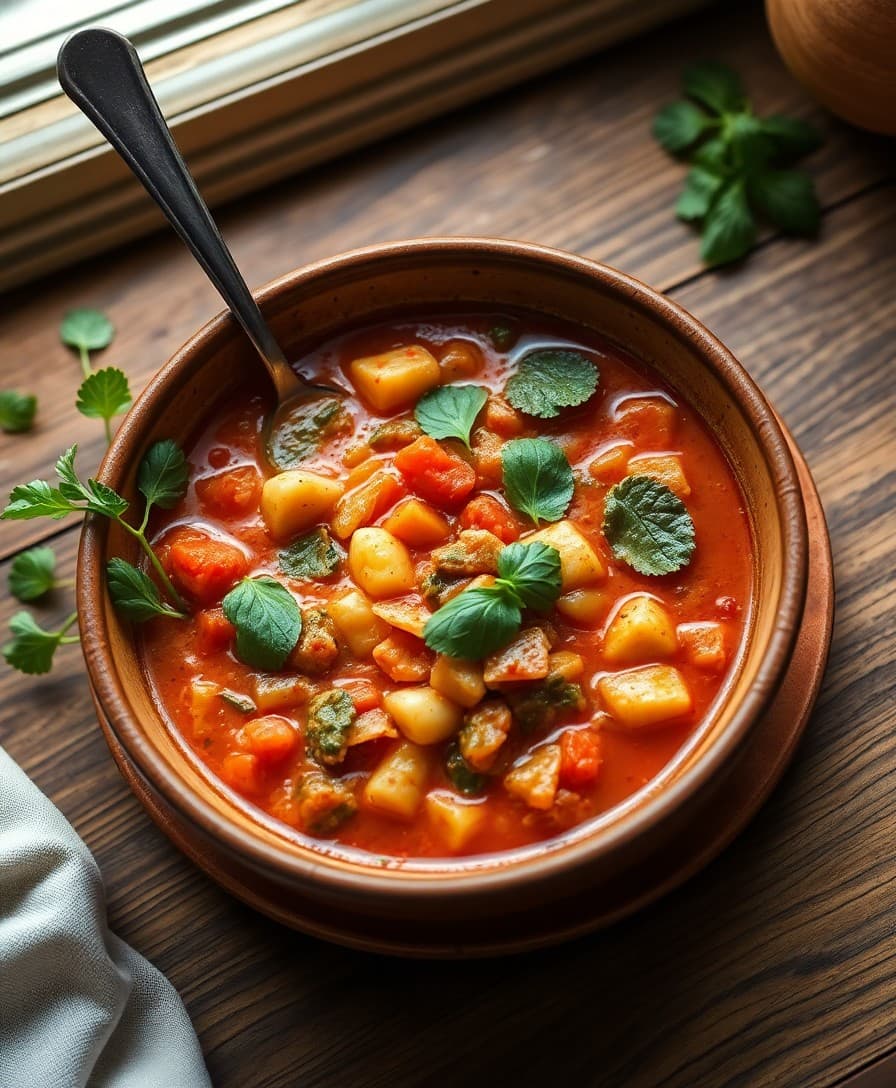
Minestrone is the ultimate expression of Italian cucina povera — humble, honest, and deeply satisfying. Every region, every nonna, every season brings a different version to the table, united by the same philosophy: use what the garden gives you. A Parmigiano rind simmered in the broth is the non-negotiable secret that makes all the difference.
Ingredients
- 2 medium carrots, diced
- 2 celery stalks, diced
- 1 medium onion, diced
- 2 medium courgettes (zucchini), diced
- 200 g (7 oz) savoy cabbage, roughly chopped
- 2 medium waxy potatoes, peeled and diced
- 400 g (14 oz) canned borlotti beans, drained and rinsed
- 200 g (7 oz) canned peeled tomatoes, crushed by hand
- 150 g (5 oz) small pasta (ditalini or tubetti)
- 1 Parmigiano Reggiano rind (5–6 cm piece)
- 3 tablespoons extra virgin olive oil, plus more to finish
- Salt and black pepper to taste
Method
- Heat the olive oil in a large, heavy-bottomed pot over medium heat. Add the onion, carrot and celery and sauté gently for 8–10 minutes, stirring often, until softened and lightly golden.
- Add the potatoes and courgettes, stir to coat in the oil, and cook for 2 minutes.
- Pour in the crushed tomatoes, stir well, and cook for 3 minutes until the tomatoes deepen in colour.
- Add the borlotti beans, savoy cabbage and the Parmigiano rind. Pour in 1.5 litres (about 6 cups) of cold water or light vegetable stock. Season generously with salt.
- Bring to a gentle boil, then reduce the heat to low. Simmer uncovered for 25 minutes, stirring occasionally, until all the vegetables are completely tender.
- Add the pasta directly to the pot and cook for the time indicated on the packet, stirring frequently to prevent sticking.
- Remove and discard the Parmigiano rind. Taste and adjust salt and pepper. Ladle into bowls and finish each portion with a generous drizzle of raw extra virgin olive oil and, if desired, freshly grated Parmigiano Reggiano.
Tips from the kitchen
Frequently asked questions
Can I make minestrone ahead of time?
Absolutely. The soup base (without pasta) keeps well in the fridge for up to 3 days and freezes beautifully for up to 3 months. Always cook and add the pasta fresh when you reheat it to serve.
Which pasta shape is best for minestrone?
Small, short pasta shapes work best — ditalini, tubetti, or small elbows. They fit on a spoon with the vegetables and hold their shape without making the soup stodgy. Avoid long pasta shapes.
Can I use dried beans instead of canned?
Yes, and the result is even better. Soak 150 g of dried borlotti beans overnight, then boil them separately until nearly tender before adding them to the soup at step 4. Reserve the cooking water and use it in place of plain water for extra depth.